Cash Out Your Rental Property Equity While You Rent
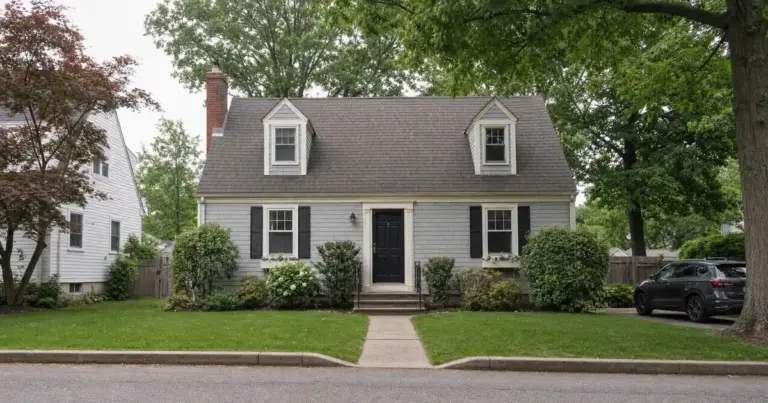
The tenant stays in place, the lease continues, and nothing about the transaction touches where you personally live.

 Lendmire Research
The tenant stays in place, the lease continues, and nothing about the transaction touches where you personally live.
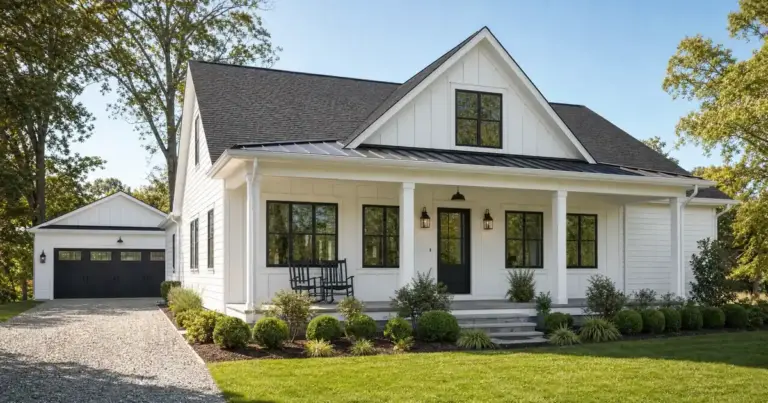
Most files in this lane run up to roughly 75% loan-to-value once the property has been owned about six months.
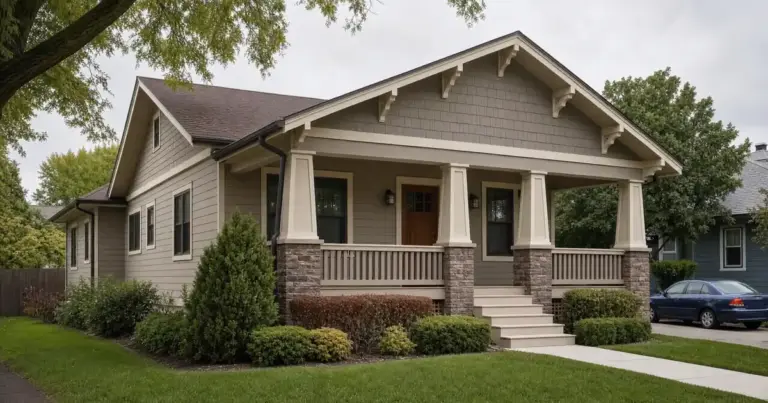
It has zero effect on the loan math itself, because DSCR underwriting reviews the property you’re financing, not where you personally sleep.
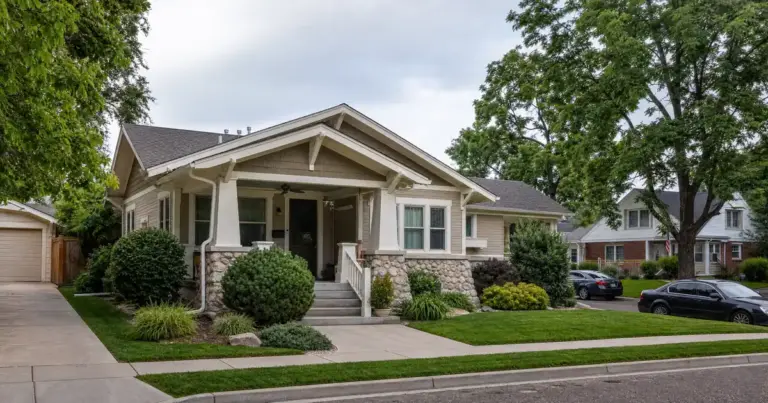
Whether it’s a good idea depends on whether you’re optimizing for cash flow now or a paid-down primary residence later.
It works today because financing, rent documentation, and day-to-day management have all become location-agnostic.
This article lays out the decision framework: how the mechanics actually work, where the tradeoffs sit, and who this strategy fits.
Eligibility is driven by the property’s rent-to-payment math and its physical condition, not the investor’s landlord resume.
DSCR underwriting qualifies the deal on the property’s rental income, not on the borrower’s personal history of paying rent as a tenant.
Qualify For A Rental Property Loan Without W2 Income — Yes, and it’s more common than most first-time investors realize.
What actually decides the file is the property’s rent-to-payment math, your credit profile, and your reserves.
Credit score, reserves, and down payment still matter — a travel nurse’s income history doesn’t.
A VA loan requires the borrower to personally occupy the home, so it’s built for a primary residence, not a rental.
Credit, reserves, and down-payment sourcing still matter, and family-assisted funds bring their own paperwork.
Federal rules classify a loan on a non-owner-occupied rental as business-purpose credit no matter how many homes the buyer has owned — including zero.
Why Lenders Usually Make You Own A Home First — That’s not actually a lending law.