Should You Refinance To Remove Private Mortgage Insurance?
Should You Refinance To Remove Private Mortgage Insurance — Usually not by default.

 Lendmire Research
Should You Refinance To Remove Private Mortgage Insurance — Usually not by default.
How A Refinance Break-even Works — It pays for itself only if you keep the home longer than the break-even point.
Refinance Closing Costs — A refinance carries a real set of fees, and the total is a meaningful percentage of your loan amount.

Most files land at 75%-80% loan-to-value, with select high-leverage programs reaching 85% for borrowers around a 700 credit score.
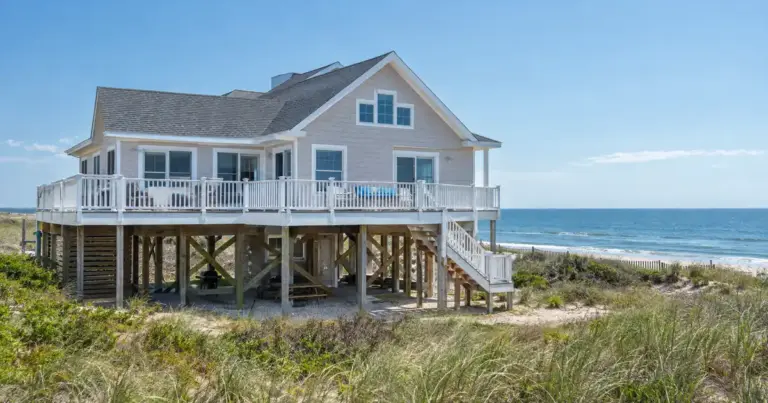
Jersey Shore Vacation Rental Loans — These are DSCR loans built around a property’s rental income instead of your W-2 or tax returns.
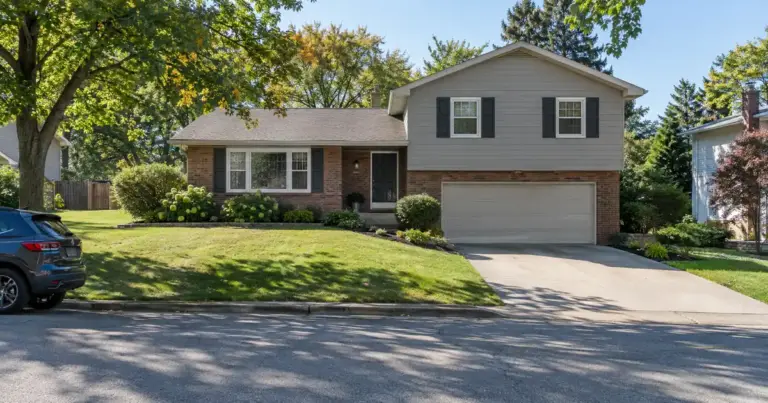
Most files land at a 75% loan-to-value ceiling on the new appraised value, after roughly six months of ownership seasoning.
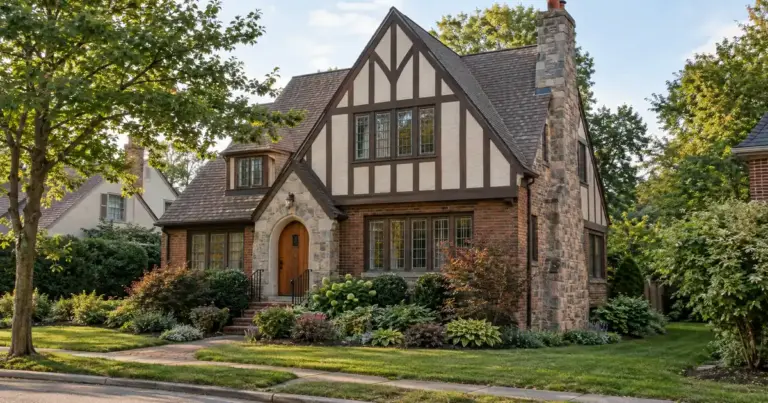
That blended math can rescue a property that would fall short by itself.

Leverage steps down as the loan gets bigger, credit requirements go up, and reserve cushions grow.

Qualification runs on the property’s rent covering the payment, not the investor’s tax returns.

Shore towns and city condos get treated very differently underneath the same DSCR math.
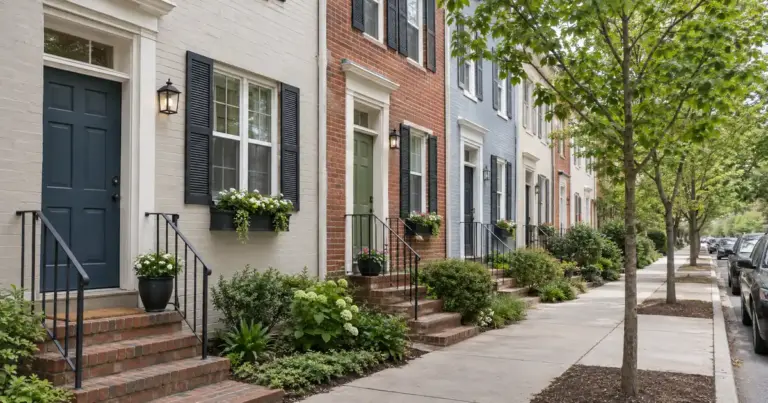
First-time-only assistance ties eligibility to buyer history, most often a three-year ownership lookback.
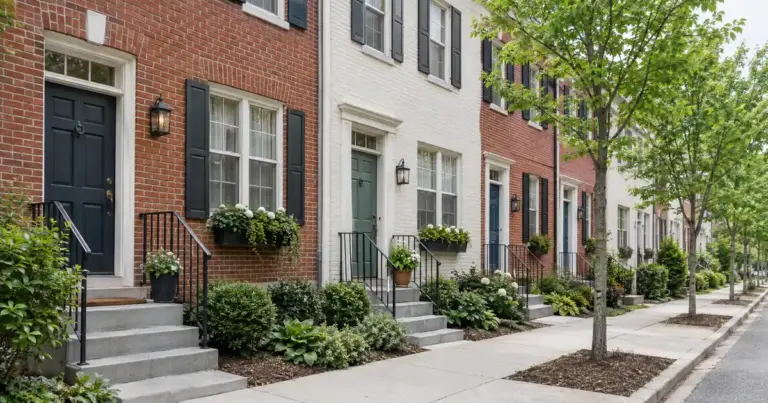
Repeat Buyer Get Down Payment Assistance — Yes, a repeat buyer can get down payment assistance on a primary home.
Does A Grant Or Repayable Second Skip The Occupancy Requirement — No.

A forgivable second is a real loan that disappears if the buyer keeps making on-time payments on the first mortgage long enough.

Those remaining structures — including forgivable and repayable second liens — carry no first-time requirement at all.