Exiting Hard Money Into A No-ratio DSCR Loan When The Rent Is Still Thin
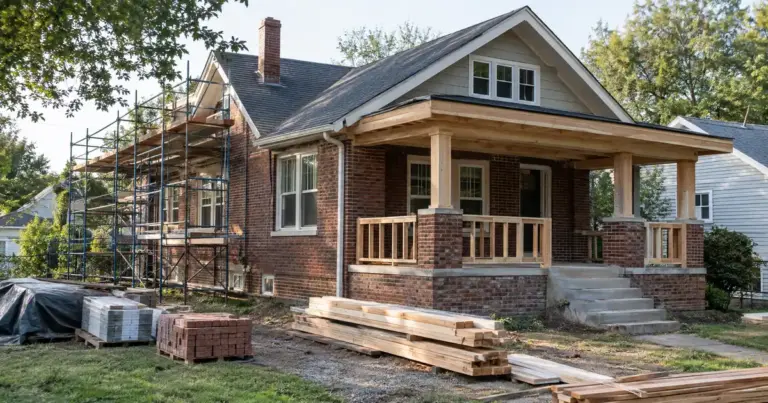
Exit Hard Money No-Ratio DSCR Loan — A no-ratio DSCR loan can pay off a hard money loan when rent is too thin to cover the payment.

Exit Hard Money No-Ratio DSCR Loan — A no-ratio DSCR loan can pay off a hard money loan when rent is too thin to cover the payment.

Exit Hard Money Loan Short-Term Rental — Most investors who hold a short-term rental pay off hard money with a long-term DSCR loan.

A new rent-qualified loan pays off the bridge balance, and you take no cash out.

When To Start The Hard Money Exit Refinance — Yes, you can begin the exit while the rehab is still finishing, but only the preparation.

Before that point, many lenders size the loan off the lower of the appraisal and your documented cost basis.

Credit Score Hard Money Exit Refinance — Usually yes, but the score sets which tier and how much leverage the exit gets.

Whether it does depends on the value the lender recognizes, the seasoning window, and rent coverage.

The appraiser sets that value, not the investor and not the contractor. A DSCR refinance adds a second test: market rent has to cover the new payment.

Hard Money Payoff DSCR Refinance Leverage Gap — A hard money lender sizes your loan against what you paid and what you plan to build.
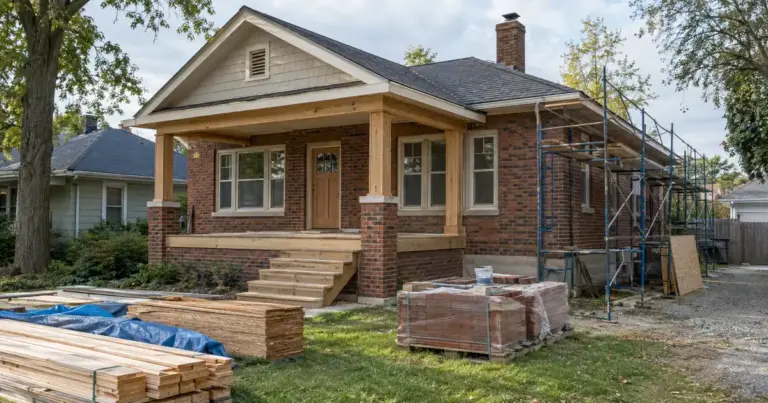
One appraisal sets two limits. The appraised value caps the loan through the program’s maximum LTV. The appraiser’s market rent sets the coverage ratio.

Missing the maturity date is a default even when every interest payment was on time.

The bridge loan gets paid off in full at closing. Any money left over becomes cash-out proceeds, subject to program limits.
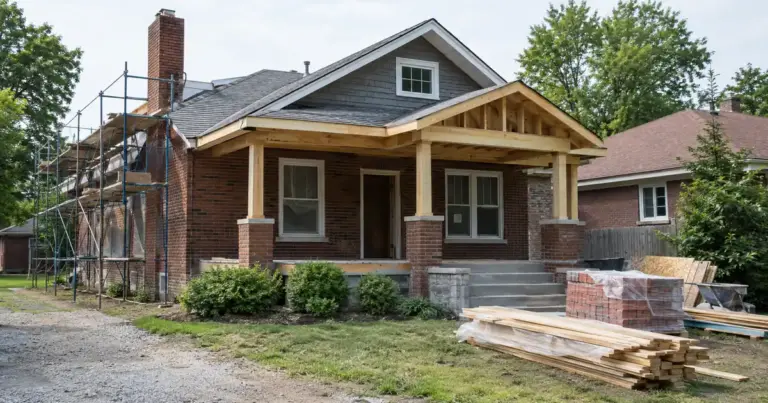
The bridge loan and the DSCR loan are two separate underwriting events, so passing one never guarantees the other.

Loan amounts in Lendmire’s wholesale network commonly run up to $5,000,000, with larger deals handled by exception.

Underwriting runs on the property’s value and the investor’s exit plan, not a paycheck.