Single-family Investment Property HELOC: Complete Guide

It’s a fundamentally different underwriting path than a DSCR loan, which qualifies on the property’s rental income instead of your personal file.

 Lendmire Research
It’s a fundamentally different underwriting path than a DSCR loan, which qualifies on the property’s rental income instead of your personal file.

This guide walks through both, where short-term rental income gets treated differently than a standard lease, and where the general rule breaks.

Complete Guide To A Condo DSCR HELOC — “Condo DSCR HELOC” is a label, not a product on most lenders’ menus.

One is a standalone equity line reviewed on your own income and credit, not the property’s rent.
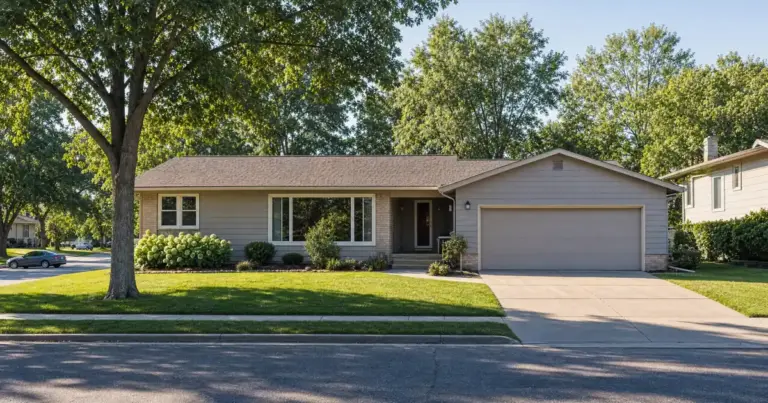
True rent-based qualification on a single-family rental almost always shows up in a different structure: a first-lien DSCR cash-out refinance.
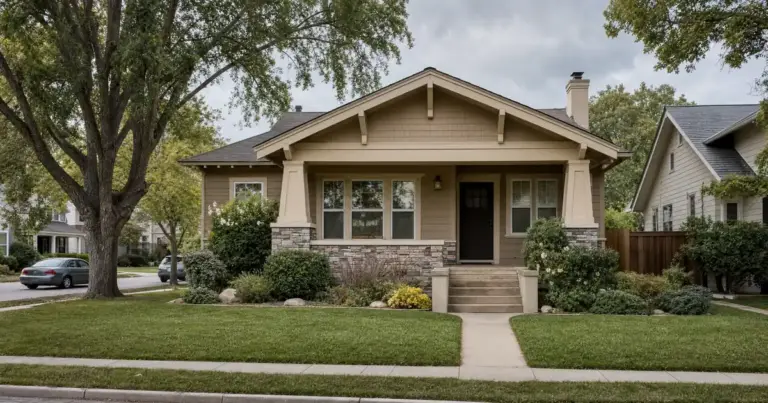
It solves a real documentation problem — but it’s a narrower tool than most STR owners expect.
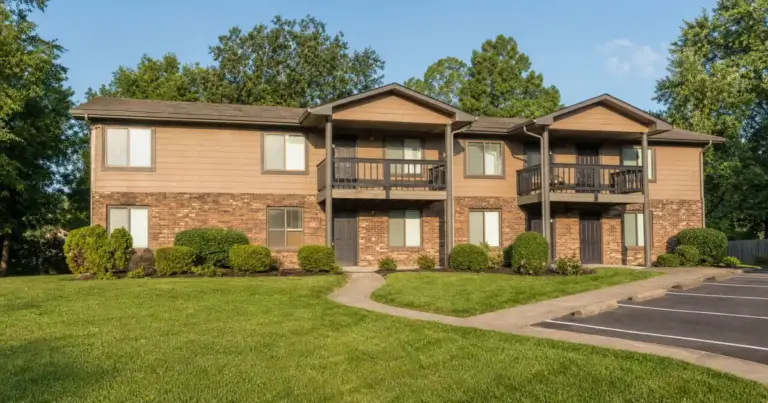
Complete Guide For A 1099-only Loan On Multifamily 5+ Properties — what borrowers need to know, from Lendmire.

But the condo runs through its own separate review.
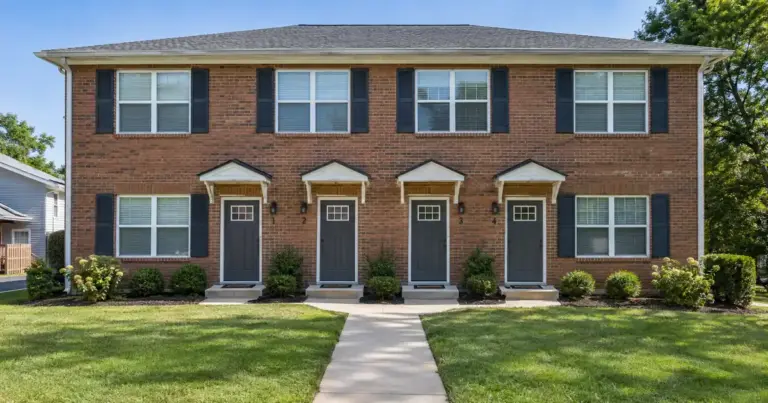
It fits self-employed buyers who earn on 1099s and want a duplex, triplex, or fourplex. Occupancy decides everything.
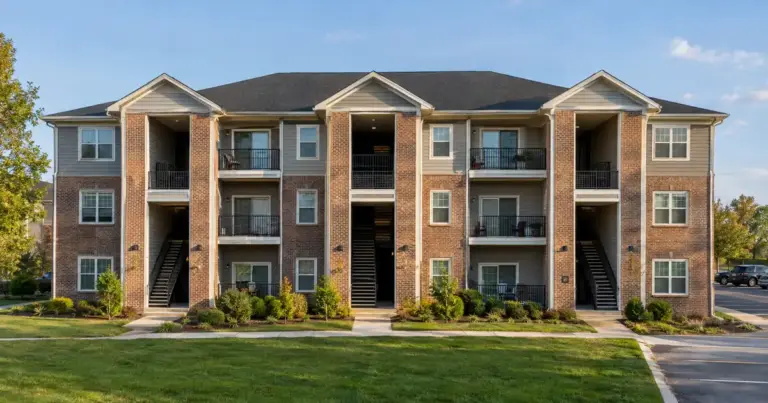
One is the five-unit threshold that reclassifies a property from residential to commercial multifamily.

The longer window smooths that swing into one averaged monthly figure, but it also dilutes a strong recent year with an older, weaker one.

Either file can sink the deal on its own, regardless of how strong the other one looks.
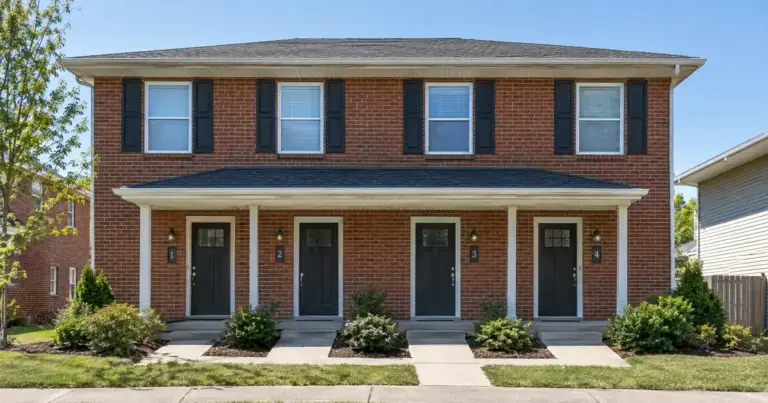
It’s a consumer mortgage, which matters most when one unit is owner-occupied.

Bank statement underwriting solves a consumer-mortgage problem tied to a four-unit ceiling.

The borrower’s income gets built from deposit averages instead of tax returns.