Cash Out On Investment Property Fannie Mae
You need six months of title ownership, a separate 12-month clock on the loan being paid off, and leverage that sits below what a primary residence gets.

You need six months of title ownership, a separate 12-month clock on the loan being paid off, and leverage that sits below what a primary residence gets.
This article looks at cash-out refinancing seasoning requirements for investment properties.
Can You Do A Cash Out On An Investment Property — Yes.
What follows is the actual mechanics, the exceptions worth knowing, and what happens to the equity once it’s out.
You’re swapping a fixed, secured obligation for a volatile, unsecured return, and the loan payment doesn’t care what the market does.
Rate assumptions belong in the calculator, and the article should discuss coverage qualitatively.
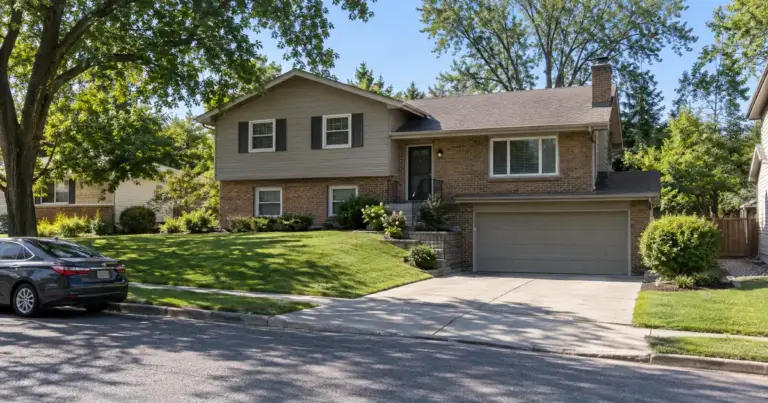
– Fannie Mae’s Selling Guide sets cash-out rules only for conventional loans it purchases — not for business-purpose rental financing.
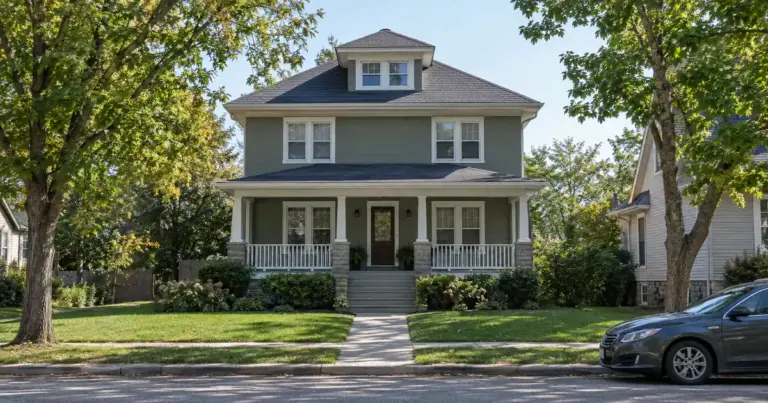
The property qualifies mainly on its own income, not the owner’s paycheck, subject to lender guidelines and program eligibility. That’s the short version.
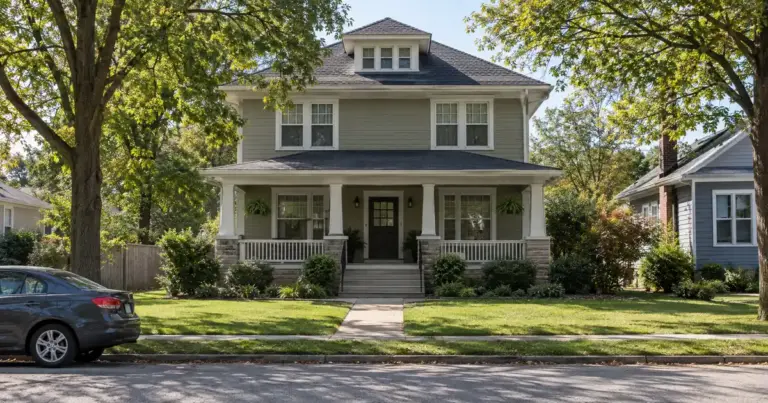
Can You Cash Out Refinance An Investment Property — Yes.

Cash Out Investment Property Fnma — Fannie Mae’s cash-out refinance rules only apply to loans a lender plans to sell to Fannie Mae.

Can You Buy Out An LLC Partner With A Cash Out Refinance — Yes.
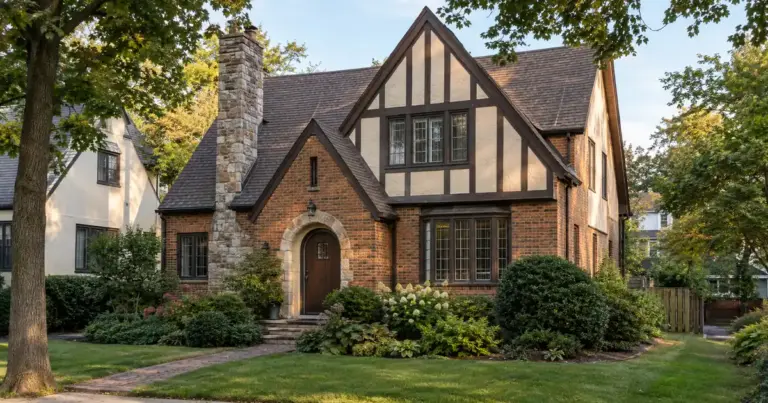
– Cash-out refinances on investment property commonly cap near 75% loan-to-value across the network — not the 80-85% seen on purchase leverage.
– Underwriting classifies the refinance as rate-and-term or full cash-out before anything else gets calculated.