Cash-Out Refinance Requirements for an Investment Property

A cash-out refinance on an investment property lets owners tap accumulated equity while keeping the asset in their portfolio.

DSCR Loans articles from Lendmire: how-to guides, requirements and eligibility checklists, cost and timeline questions, and side-by-side comparisons for borrowers and investors. Start with the DSCR Loans program page or browse the DSCR Loans Guide Library.
A cash-out refinance on an investment property lets owners tap accumulated equity while keeping the asset in their portfolio.

Can You Refinance A Rental Home — Yes, a rental property can be refinanced, but the rules differ from a primary home.
A property financed as a primary residence can’t just start collecting rent while the original mortgage stays in place unaddressed.

One test checks how much the appraised value supports. The other checks whether the rent covers the new payment.
One track runs on your personal income and debt, the same way a home loan on your primary residence works.

On a DSCR loan, the answer runs through appraised value, loan-to-value limits, seasoning time, and a rent-to-payment ratio — not a paycheck or a tax return.
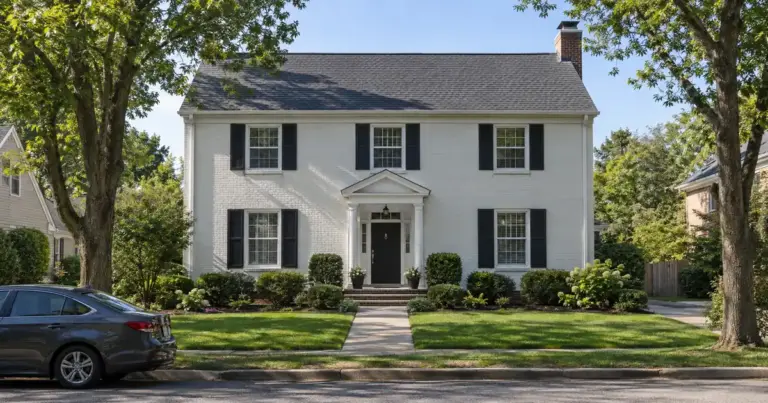
You need six months of title ownership, a separate 12-month clock on the loan being paid off, and leverage that sits below what a primary residence gets.
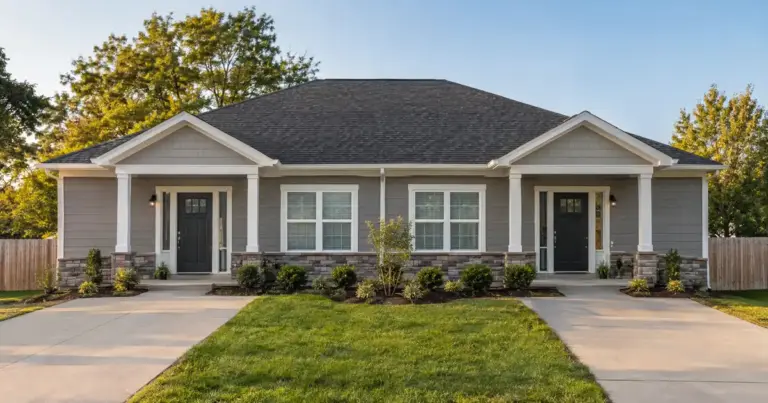
Can You Refinance An Investment Duplex Property — Yes.
This article looks at cash-out refinancing seasoning requirements for investment properties.
Can You Do A Cash Out On An Investment Property — Yes.
What follows is the actual mechanics, the exceptions worth knowing, and what happens to the equity once it’s out.
You’re swapping a fixed, secured obligation for a volatile, unsecured return, and the loan payment doesn’t care what the market does.